
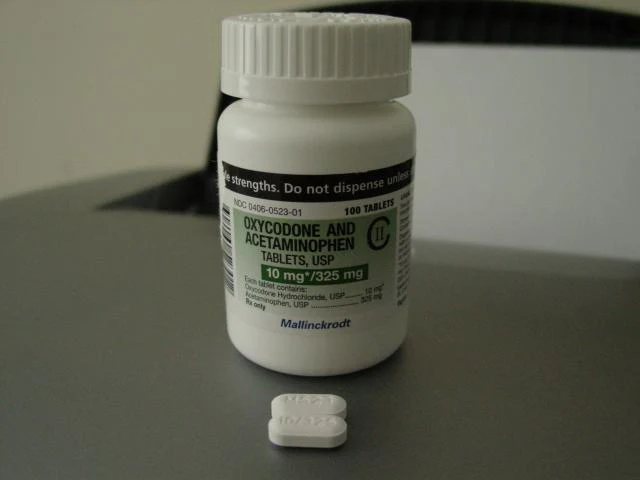
Percocet 10-325mg – Uses, Effects, and UK Considerations
Percocet 10-325mg is a combination pain-relief medication that contains two active ingredients: oxycodone hydrochloride (10 mg), a strong opioid analgesic, and paracetamol / acetaminophen (325 mg), a non-opioid pain reliever and fever reducer. This combination is designed to provide effective relief from moderate to severe pain by using two different mechanisms of action to control discomfort.
Percocet is commonly prescribed in some countries for short-term pain management, particularly following surgery, injury, or in certain chronic pain conditions where other treatments have not provided sufficient relief. Due to the presence of oxycodone, Percocet is considered a strong opioid medicine and requires careful medical supervision.
How Percocet 10-325mg Works
Percocet works through the combined effects of its two ingredients. Oxycodone acts on opioid receptors in the brain and spinal cord, reducing the transmission of pain signals and altering how pain is perceived. This provides powerful analgesic effects and can also produce sedation. Paracetamol works differently, helping to reduce pain and fever by acting on chemical messengers involved in pain and temperature regulation.
When used together, these ingredients can offer enhanced pain relief compared to either medication alone. However, this combination also increases the need for careful dosing, as both components carry their own risks if misused.
Common Uses of Percocet 10-325mg
-
Relief of moderate to severe acute pain, such as post-operative or injury-related pain
-
Short-term pain management when weaker painkillers are ineffective
-
Pain control in specific medical situations under close supervision
Percocet is not intended for mild pain and is generally prescribed only when the expected benefits outweigh the potential risks.
Dosage and Administration
The dosage of Percocet 10-325mg is determined by a healthcare professional based on the patient’s pain level, medical history, previous opioid exposure, and overall health. It is taken orally, usually with water, and may be taken with food to reduce stomach upset.
Patients are advised to take the lowest effective dose for the shortest possible duration. Exceeding the prescribed dose can increase the risk of serious side effects, including respiratory depression from oxycodone and liver damage from paracetamol. Patients should never take additional paracetamol-containing products alongside Percocet unless advised by a healthcare professional.
Side Effects and Precautions
Like all opioid medicines, Percocet can cause side effects. Commonly reported effects include:
-
Drowsiness or sedation
-
Dizziness or light-headedness
-
Constipation
-
Nausea or vomiting
-
Headache
-
Reduced concentration
More serious side effects may include slowed breathing, low blood pressure, confusion, or allergic reactions. The risk of severe side effects increases when Percocet is combined with alcohol, benzodiazepines, sedatives, or other opioids.
Paracetamol overdose is a particular concern, as it can cause serious liver injury, sometimes without immediate symptoms. This makes adherence to prescribed dosing especially important.
Dependence, Tolerance, and Withdrawal
Because Percocet contains oxycodone, it carries a risk of tolerance and dependence, particularly with prolonged use. Tolerance may lead to the need for higher doses to achieve the same level of pain relief, while dependence means the body adapts to the medication.
Stopping Percocet suddenly after long-term use can result in withdrawal symptoms, including anxiety, restlessness, sweating, insomnia, nausea, and muscle aches. For this reason, healthcare professionals recommend gradual dose reduction when discontinuing treatment.
Percocet 10-325mg and the United Kingdom
In the United Kingdom, oxycodone is classified as a controlled drug and a Prescription Only Medicine (POM) under the Misuse of Drugs Regulations. While oxycodone and paracetamol are both available in the UK under prescription, the brand name Percocet is not commonly licensed or prescribed. Any use of oxycodone-containing medication in the UK must be authorised by a qualified healthcare professional and supplied legally.
These regulations exist to reduce the risk of misuse, addiction, and harm associated with strong opioid medicines.
Warnings and Special Considerations
Percocet 10-325mg should be used with caution in:
-
Older adults, who may be more sensitive to sedation
-
Patients with respiratory conditions such as asthma or COPD
-
Individuals with liver disease, due to paracetamol content
-
Patients with a history of substance misuse or addiction
-
Pregnant or breastfeeding women, as opioids can affect the baby
Patients should avoid driving, operating machinery, or consuming alcohol until they understand how the medication affects them.
Conclusion
Percocet 10-325mg is a combination opioid and non-opioid analgesic used for the management of moderate to severe pain. By combining oxycodone with paracetamol, it provides effective pain relief through multiple mechanisms. However, due to its potency and the risks associated with opioid use and paracetamol overdose, Percocet must be used only under medical supervision.
In the UK, strict regulations govern the use of oxycodone-based medicines to ensure patient safety. Understanding how Percocet works, its potential benefits, risks, and legal considerations is essential for safe and responsible use.

Reviews
There are no reviews yet.