
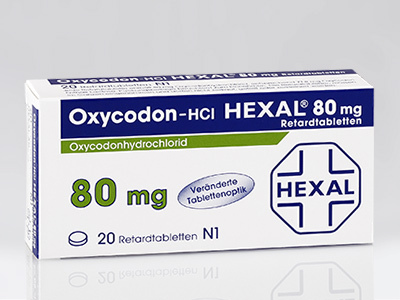
Oxycodone HCl – Uses, Effects, and UK Guidelines
Oxycodone HCl (oxycodone hydrochloride) is a strong opioid analgesic used in the management of moderate to severe pain when other pain relief options are not effective. It belongs to the opioid class of medicines, which act on the central nervous system (CNS) to change how the brain and spinal cord perceive pain. Oxycodone is commonly prescribed for acute pain following surgery or injury, as well as for chronic pain conditions when careful medical supervision is in place.
How Oxycodone HCl Works
Oxycodone works by binding to opioid receptors in the brain and spinal cord. These receptors play a key role in transmitting pain signals. By activating them, oxycodone reduces the intensity of pain signals reaching the brain and alters the emotional response to pain. This results in effective pain relief and, in some cases, a calming or sedative effect. Because of its potency, oxycodone can significantly improve comfort and quality of life for patients experiencing severe pain.
Common Uses of Oxycodone HCl
-
Relief of moderate to severe acute pain, such as post-operative pain
-
Management of chronic pain under specialist supervision
-
Pain associated with serious conditions, including cancer
-
Situations where other analgesics, such as non-opioids or weaker opioids, are insufficient
Oxycodone is not typically used for mild pain and is prescribed only when the expected benefits outweigh potential risks.
Dosage and Administration
The dosage of Oxycodone HCl is determined by a healthcare professional based on the patient’s pain severity, age, previous opioid use, medical history, and response to treatment. It is available in different formulations, including immediate-release and modified-release preparations, which allow doctors to tailor pain control to individual needs.
Patients are usually advised to take the lowest effective dose for the shortest possible duration. Tablets should be swallowed whole with water and taken exactly as prescribed. Dosage adjustments should never be made without consulting a doctor, as incorrect dosing may lead to serious side effects, including overdose.
Side Effects and Precautions
Like all opioid medicines, Oxycodone HCl can cause side effects. Commonly reported effects include:
-
Drowsiness or sedation
-
Dizziness or light-headedness
-
Constipation
-
Nausea or vomiting
-
Headache
-
Dry mouth
More serious side effects may include respiratory depression, low blood pressure, confusion, or allergic reactions. The risk of serious effects increases if oxycodone is taken with alcohol, sedatives, benzodiazepines, or other opioids.
Extra caution is required for older adults, patients with respiratory disorders, liver or kidney disease, and those with a history of substance misuse.
Dependence, Tolerance, and Withdrawal
Oxycodone HCl carries a known risk of tolerance and dependence, particularly with long-term use. Tolerance occurs when higher doses are needed to achieve the same level of pain relief. Dependence can develop when the body becomes accustomed to the presence of the medication.
If oxycodone is stopped suddenly after prolonged use, withdrawal symptoms may occur. These can include anxiety, sweating, restlessness, insomnia, nausea, and muscle aches. To reduce this risk, healthcare professionals recommend gradual dose reduction (tapering) under medical supervision.
Oxycodone HCl in the United Kingdom
In the UK, oxycodone is classified as a controlled drug and a Prescription Only Medicine (POM) under the Misuse of Drugs Regulations. It can only be legally supplied with a valid prescription from a qualified healthcare professional. Possession or supply without authorisation is illegal.
These strict regulations are in place to protect patient safety and reduce the risk of misuse, addiction, and harm associated with strong opioid medicines.
Warnings and Special Considerations
Oxycodone HCl should be used with caution in:
-
Older adults, due to increased sensitivity to sedation
-
Patients with breathing problems such as asthma or COPD
-
Individuals with a history of drug or alcohol dependence
-
Pregnant or breastfeeding women, as opioids may affect the baby
Patients should avoid driving, operating machinery, or drinking alcohol until they know how oxycodone affects them.
Conclusion
Oxycodone HCl is a powerful opioid analgesic used for the treatment of moderate to severe pain when other pain relief options are inadequate. By acting on the central nervous system, it effectively reduces pain perception and improves comfort. However, due to its potency and potential risks—including side effects, dependence, and withdrawal—it must be used only under the guidance of a qualified healthcare professional.
In the UK, oxycodone is tightly regulated as a Prescription Only Medicine, reflecting the importance of responsible use and medical oversight. Understanding how Oxycodone HCl works, its benefits, risks, and legal status helps patients and healthcare providers use this medication safely and effectively.
Reviews
There are no reviews yet.